Glaucoma isn't a comorbidity of myasthenia gravis, so there isn't specific guidance on how ocular MG interacts with it directly. That said, it's really important to discuss both conditions with your neurologist and ophthalmologist together, as some MG medications like corticosteroids (e.g., prednisone) can potentially raise Show Full Answer
Glaucoma isn't a comorbidity of myasthenia gravis, so there isn't specific guidance on how ocular MG interacts with it directly. That said, it's really important to discuss both conditions with your neurologist and ophthalmologist together, as some MG medications like corticosteroids (e.g., prednisone) can potentially raise eye pressure, which is worth monitoring closely. For ocular MG specifically, treatment options generally include:
- Pyridostigmine (Mestinon) – helps improve nerve-to-muscle communication
- Corticosteroids – reduce immune system activity
- Intravenous immunoglobulin (IVIG) – helps regulate the immune response
- Newer targeted medications – such as Vyvgart or Ultomiris, depending on your MG type
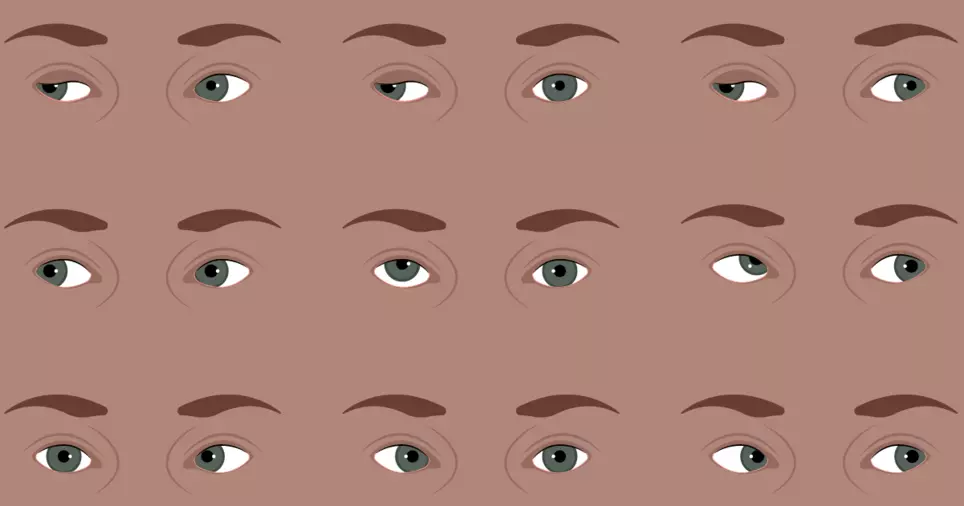
Non-medication options like prism glasses, eyelid crutches, or an eye patch can also help manage double vision and drooping eyelids.
Your care team — ideally a neurologist working alongside an ophthalmologist — would be best placed to tailor a treatment plan that safely addresses both concerns.
August 14






 Join
Join







 Your Privacy Choices