


Connect with others who understand.

  • Learn from expert-reviewed resources
  • Real advice from people who’ve been there
  • People who understand what you’re going through
Sign Up Log In
Powered By
Real members of MGteam have posted questions and answers that support our community guidelines, and should not be taken as medical advice. Looking for the latest medically reviewed content by doctors and experts? Visit our resource section.

I've never seen anything addressing this particular point. Answers may exist, but I haven't found them. Actually, the question has at least three parts. The first is asking about generalizations covering the entire spectrum of those with MG. The second asks the same question as it relates to those within each specific band of the spectrum: AChR+, Musk, Seronegative, ocular and gMG. The last relates to individuals: Is my next flare going to take as long to resolve as my last flare? I'm sitting… read more

June 24
 · 
Reactions
A MGteam Member

That's what has worked for me.

July 8
A MGteam Member

Hi Robert, I haven’t found any hard duration timelines, but I have found some patterns - for me the summer heat and the winter freeze are my ‘kryptonite’ also sudden sharp sound cracks…I tried to describe some of my own patterns in a recent Substack article, sharing them here in hopes they may be a help…

*I tried to share the text, but MGTeam said it was too long…

https://open.substack.com/pub/bobriain/p/krypto...
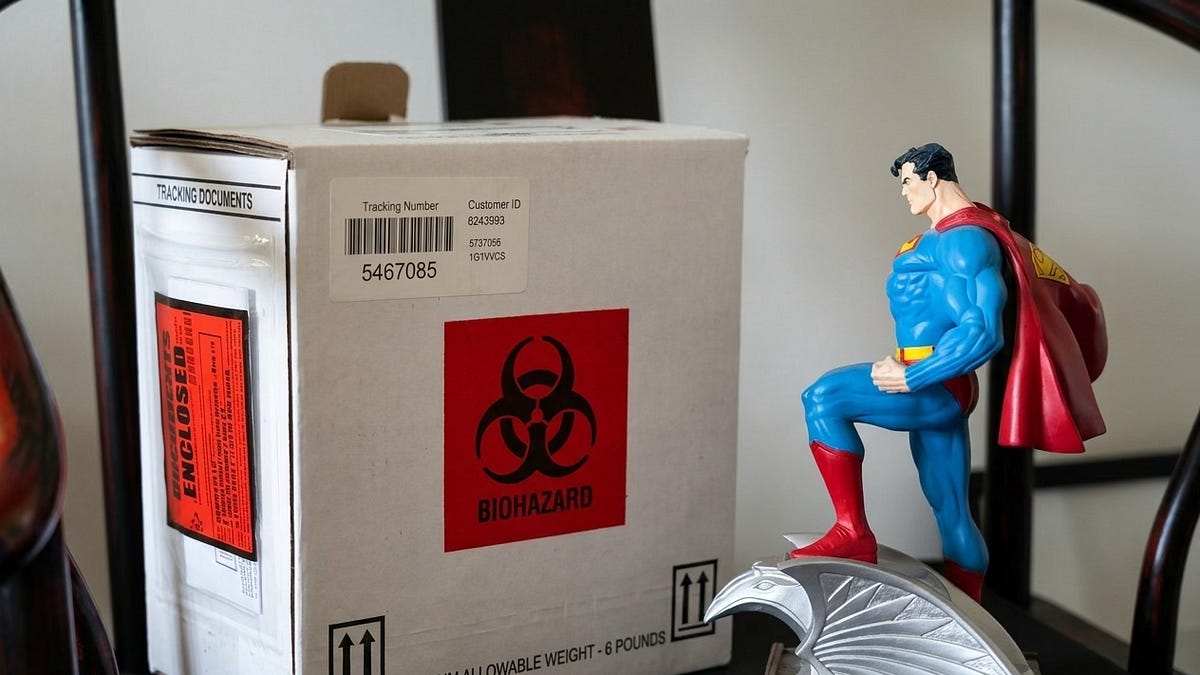
KRYPTONITE V. SUPERPOWERS — PART 1
July 9
A MGteam Member

Thanks, Heidi, for such a relevant and detailed reply. If I understand you correctly, you're saying that early recognition and early treatment will shorten and minimize a flare. Did I get that right?

July 8
A MGteam Member

Hi, I've had 3 crises and was hospitalized for one bad flare as well. Here's what my experience has taught me:

1. Track your symptoms. Through this, I've learned that falls, increased fatigue, neck pain/weakness, and bad choking episodes always occur as an early flare sign. They're such consistent signs that my husband knew I was having a flare before I did.
2. Seek additional care early. Of my early flare signs, I now know that bad choking and falls are a "sign of no return." Those symptoms will always lead to severe food and breathing problems. I've learned that seeking care at the choking/falls level makes it so my flare isn't as severe, long-lasting, or deconditioning.
3. Know your effective rescue treatments. For me, I can do a 10-day burst of Prednisone to pull me out of a small flare, sparing a hospital visit. IVIG is a wonderful pre-surgery treatment for me. If I do end up hospitalized for MG, PLEX is my must-do.
4. Keep an MG go-to book. Mine has a brief medical history, medication list, doctors names, recommended treatments (like those I listed in #3), the Cautionary Drugs list (from MGFA), and the Emergency Guide for MG. My work knows about my yellow book, as do my friends and family. It travels with me.

All this takes time to learn. Be patient and forgiving with yourself.

July 8
MGteam

First, so sorry to hear about your fall and the flare it triggered — that's a really rough combination to deal with. Hopefully some of this helps while you're waiting it out.

General flare duration across the MG spectrum

Honestly, this is one of those frustrating areas where hard data is thin. MG is famously Show Full Answer


First, so sorry to hear about your fall and the flare it triggered — that's a really rough combination to deal with. Hopefully some of this helps while you're waiting it out.

General flare duration across the MG spectrum

Honestly, this is one of those frustrating areas where hard data is thin. MG is famously unpredictable, and flare duration varies so widely that broad generalizations are difficult to make with confidence. What is known is that flares can last anywhere from days to weeks or even months, depending on several factors like trigger type, treatment response, and overall disease severity. By antibody subtype and MG type

The research does give some clues, though not specifically about flare duration:

- AChR+ MG — This group tends to respond to a wider variety of treatments, which may help shorten flares when treatment is adjusted promptly
- MuSK MG — Often associated with more severe symptoms, but responds well to specific treatments like rituximab; flares may be more intense but manageable with the right therapy
- Seronegative MG — This group tends to have lower remission rates overall, which may suggest flares are harder to resolve quickly
- Ocular MG — Flares tend to be more localized (eye-related), which may make them feel less debilitating, though they can still persist
- Generalized MG (gMG) — Flares can be more serious given the broader muscle involvement, including breathing and swallowing, and may take longer to stabilize Will your next flare mirror your last one?

This is where MG really earns its "snowflake disease" reputation — even within the same person, flares don't follow a reliable script. The trigger matters a lot. A flare caused by a physical trauma like a fall may behave differently than one triggered by illness or stress.

Known factors that can influence how long a flare lasts include:

- How quickly treatment is adjusted
- The severity of the trigger
- Your overall disease burden at the time
- Whether you have other risk factors like longer disease duration or no prior thymectomy The most important step right now is to contact your neurologist as soon as possible if you haven't already. A flare following physical trauma deserves prompt attention, and getting treatment adjusted quickly is one of the best ways to shorten its duration. Hang in there — this community knows how hard these stretches are.

June 24

Related Questions

View All
A MGteam Member asked a question 💭
California, CA

A MGteam Member asked a question 💭
Slidell, LA