Myasthenia gravis (MG) is sometimes called the "snowflake disease" because symptoms can look very different from person to person. Here's a overview of the most common symptoms:
Muscle Weakness
- Weakness in the arms, legs, hands, fingers, and neck
- Difficulty walking long distances, climbing stairs, or lifting objects
- Show Full Answer
Myasthenia gravis (MG) is sometimes called the "snowflake disease" because symptoms can look very different from person to person. Here's a overview of the most common symptoms:
Muscle Weakness
- Weakness in the arms, legs, hands, fingers, and neck
- Difficulty walking long distances, climbing stairs, or lifting objects
- Trouble holding your head up
Eye-Related Symptoms
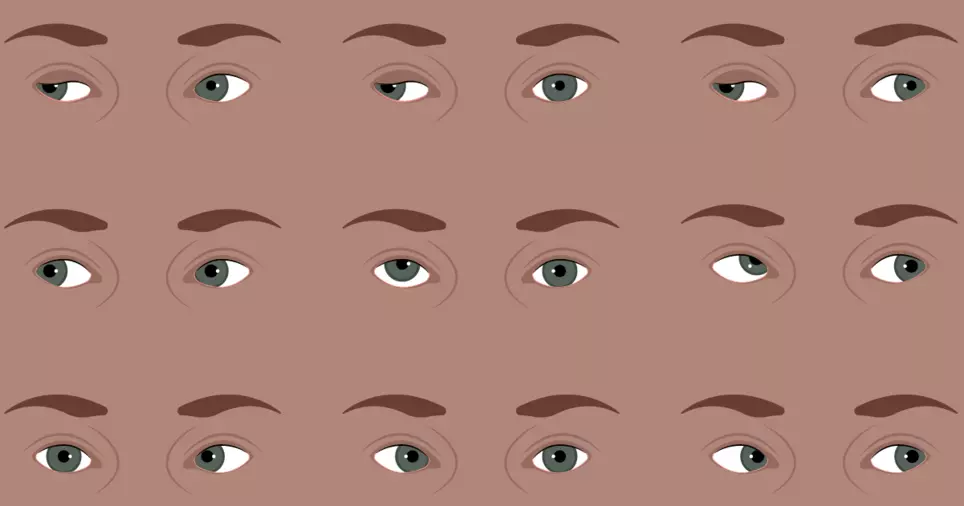
- Droopy eyelids (ptosis)
- Blurry or double vision
Bulbar Symptoms (affecting the head, neck, and jaw)
- Difficulty chewing or swallowing
- Difficulty speaking
- Changes in facial expressions
Breathing
- Shortness of breath
- In serious cases, a myasthenic crisis can occur where breathing muscles become too weak — this is a medical emergency
Other Symptoms
- Fatigue that worsens with activity and improves with rest
- Memory problems or brain fog Symptoms often tend to be milder in the morning and worsen throughout the day. Triggers like stress, illness, heat, and certain medications can also make symptoms flare up.
It's always a good idea to track when symptoms occur and share that log with your neurologist — especially if you notice any new or worsening symptoms.
6 days ago








 Join
Join




 Your Privacy Choices